
sustainable land management
Explore our innovative solutions designed to enhance your farm's productivity and sustainability while encouraging a harmonious relationship with nature.

Holistic Land Management & Master Planning
A phased master plan links every element of the property - water, soil, access, and planting - so they work together rather than as isolated decisions made one at a time.
Holistic land management starts with a full site assessment of the property's existing water flow, soil, and topography before any decisions are made.
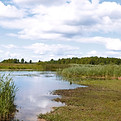
Sustainable Land Management: Water & Earthworks
Earthworks designed to slow, sink, and store water turn soil into a water-retaining reserve, built to carry a property through dry Australian summers.
Sustainable land management places swales, contour banks, and soil-building earthworks according to the site's topography.

Sustainable Farming Practices for Everyday Living
Low-maintenance systems reduce the day-to-day labour of running a productive property, without giving up food security or land health.
Sustainable farming practices are calibrated to what a specific property and owner can realistically sustain.

Site-Specific Layout & Design
A poor layout costs time and money every single day. Contours, sun angles, frost hollows, and wind patterns determine where a driveway, orchard, or garden bed should sit - get it wrong, and relocating it later is expensive.
Holistic land management applied at the layout stage reduces the risk of costly rework once a property is already established.

Eco-Friendly Windbreaks & Shelterbelts
Living shelterbelts and moisture-rich green buffers protect homes, stock, and crops from harsh northerly winds, trapping humidity and moderating the property's microclimate through summer.
Eco-friendly farming uses functional plant systems to do work that would otherwise require ongoing inputs or infrastructure.

Rapid, Eco-Friendly Soil Building
Clay or sand can be converted into productive topsoil using on-site organic matter and natural plant dynamics, without relying on truckloads of synthetic fertiliser.
Eco-friendly farming and sustainable farming practices meet directly in soil building, where diverse planting and biomass cycling rebuild fertility from within the system.
let's talk about your land
Tell me a bit about your site and what you're hoping to achieve - I'll get back to you personally, whether that's an on-site consultation or a remote design for wherever you're based.
a different approach to farm design
Ecologic Solutions works differently to many other farm designers: every project begins with holistic land management, reading a property's existing water flow, soil condition, aspect, and microclimate before any structural or planting decision is made. This is the same principle behind sustainable land management more broadly - earthworks, water systems, and planting layouts are placed according to what a site is already doing, not reshaped to fit a generic template that may work elsewhere. From there, the design draws on a defined set of sustainable farming practices, selected for what a specific property and owner can realistically maintain. Reduced reliance on synthetic inputs, diverse and layered planting, and strategic biomass cycling are all examples of eco-friendly farming in practice - specific techniques with a specific mechanism, chosen because they suit the site's soil, climate, and the owner's available time.